
The Fascinating World of Mahjong
Mahjong, a game deeply rooted in Chinese culture, has captivated players worldwide for generations. With its intricate rules and engaging gameplay, Mahjong offers endless possibilities for strategic thinking and luck. The game, which can be played both casually among friends and in high-stakes competitions, is known for its beautifully crafted tiles and complex scoring systems.
A Brief History of Mahjong
The origins of Mahjong are somewhat shrouded in mystery, with various theories about its inception. Some suggest that it was created by a Chinese nobleman in the mid-19th century, while others believe it evolved from ancient Chinese card games. Whatever its origins, by the early 20th century, Mahjong had become an essential part of Chinese culture, frequently played during celebrations and family gatherings.
The Basics of Mahjong
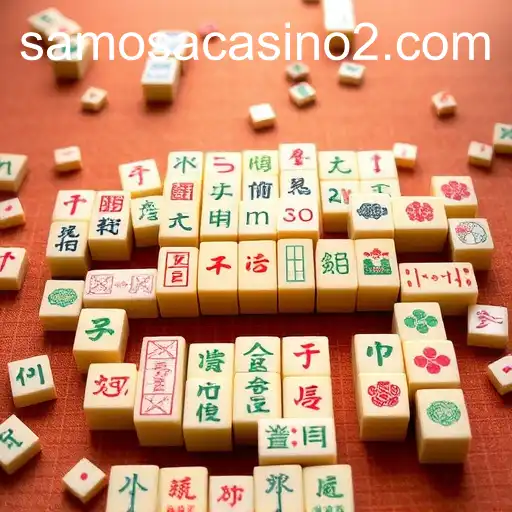
At its core, Mahjong is a tile-based game that requires four players. The set consists of 144 tiles featuring Chinese characters and symbols. Each player begins with a set of tiles, and the objective is to form specific combinations, referred to as "melds" or a complete "hand," to win the game.
The Structure of the Game
Mahjong tiles are divided into three suits: Bamboo, Characters, and Dots. In addition to these, there are Wind tiles, Dragon tiles, and Flower or Season tiles which add additional layers of strategy to the game.
Strategic Gameplay
Strategy in Mahjong involves more than just the luck of the draw. Players must decide which tiles to keep and which to discard while observing the moves of their opponents. Successful players often keep track of discarded tiles to deduce which tiles others are collecting, potentially disrupting their opponents' strategies.
Each decision in a game of Mahjong can have far-reaching consequences. Experienced players develop the ability to quickly assess the value of their hand and anticipate the actions of others. This aspect of the game is part of what makes Mahjong such a compelling pastime.
Regional Variants
Mahjong's popularity has led to the development of numerous regional variations, each with its own set of rules and scoring systems. In Japan, for example, the game is often played with the riichi ruleset, which adds a layer of bluffing and further complexity. In the West, the American version of Mahjong includes additional Joker tiles and other modifications.
The Rise of Online Mahjong
With the advent of the digital age, Mahjong has found a new home online. Websites such as 007.bet offer platforms for players around the world to compete in exciting Mahjong matches without geographical constraints. Online Mahjong provides a convenient way for enthusiasts to play anytime, anywhere, sharpening their skills against a global pool of opponents.
The Cultural Impact of Mahjong
Beyond being a game, Mahjong serves as a bridge between cultures. It is a common sight at Chinese family gatherings, fostering communication and bonds across generations. For Chinese communities abroad, Mahjong is a link to their heritage, played at social gatherings to celebrate cultural occasions.
Mahjong in Popular Culture
Mahjong has also made appearances in popular culture, featuring in films, literature, and art. Portrayals of Mahjong often highlight the blend of skill, chance, and tradition that defines the game. These cultural representations have helped introduce Mahjong to new audiences, further enhancing its global appeal.
Learning to Play Mahjong
For those interested in learning Mahjong, a variety of resources are available, from local community classes to online tutorials. New players often find that understanding the basic rules is relatively straightforward, but mastering the strategy takes practice and patience.
Mahjong's rich history and intricate gameplay make it a unique and engaging pastime. Whether played socially or in a competitive arena, the game brings people together through a blend of luck and strategy. Enthusiasts at all levels continue to be drawn to Mahjong, ensuring its status as a beloved activity for generations to come.